

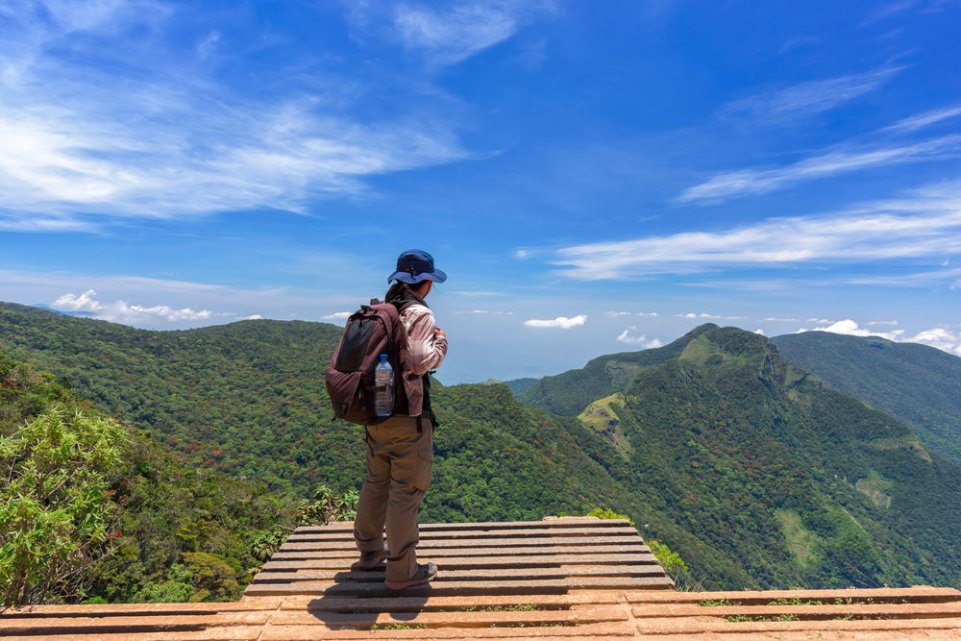
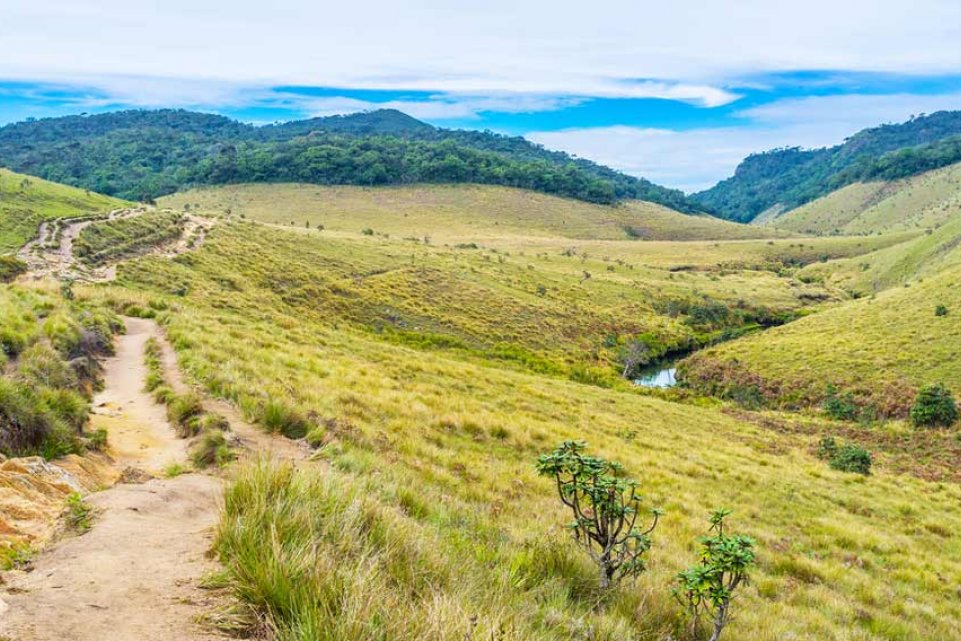
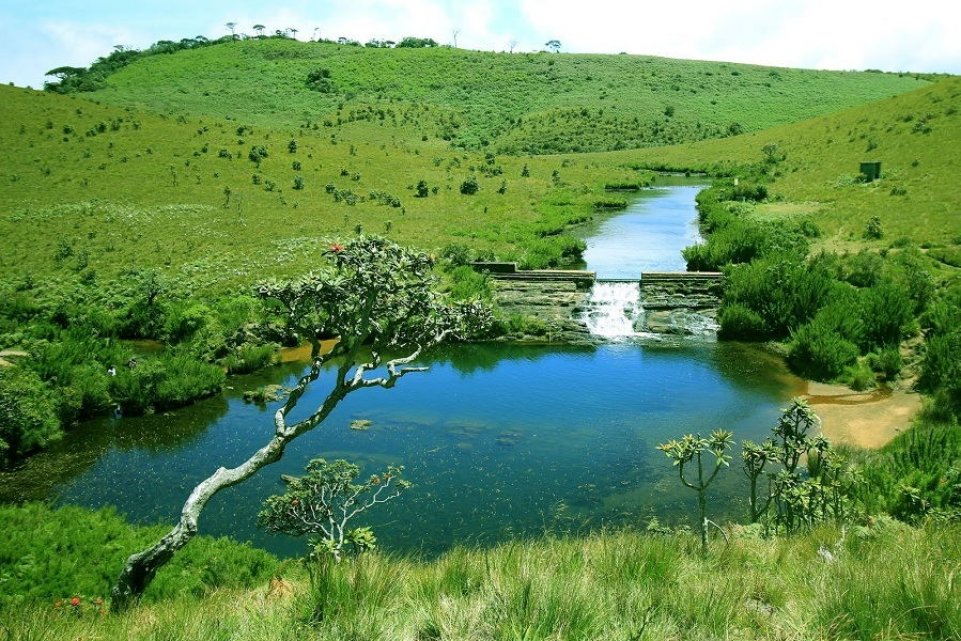
Horton Plains in Sri Lanka, is the coldest and windiest location in the country. It consists of ecosystems such as Montane evergreen forests, grasslands, marshy lands and aquatic ecosystem. At an altitude of 2,100 meters above sea level, Horton Plains spreads across over 3,169 hectares of the highest tableland of the island. In view of the large number of endemic flora and fauna species, Horton Plains was declared a UNESCO World Heritage Site on 30th July 2010. The Climate of Horton Plains is that of a wet Montane forest. The average annual temperature of 14-16⁰ Centigrade while the humidity is relatively low at 65%. Though annual rainfall of the highlands is about 2540mm, Horton Plains records over 5000 mm of rainfall annually.
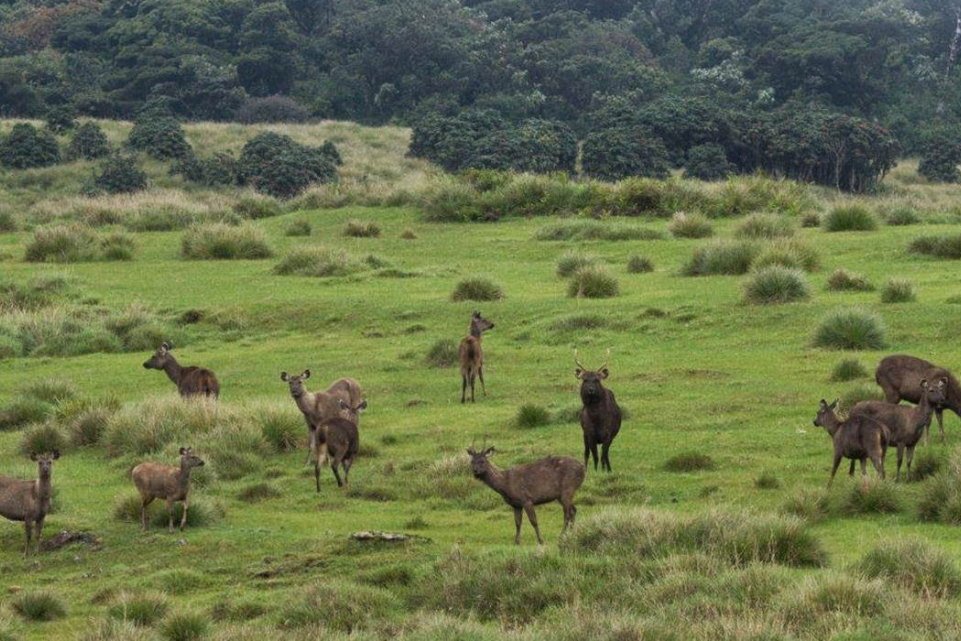
Horton Plains, its surroundings, forests and the adjoining Peak Wilderness constitute Sri Lanka’s most important catchment area of almost all major rivers. The plains are also of outstanding scenic beauty and conservation importance, containing most of the habitats and endemic plants and animals representative of the country’s wet and Montane zones.One of the most beautiful World Heritage Sites in the world is definitely the Horton Plains National Park in Sri Lanka. The park is spread over the two highest mountains in the area called Kirigalpotta and Totapola. The plateau-like structure along with plains on one end, thick forests and mountains on other make the Central Highlands of Sri Lanka. You will find a number of waterfalls, lakes, rocky hills and views of the ocean in this part of the country. The forest is home to a number of wild animals and birds, however, most large animals remain elusive and unapproachable.

